


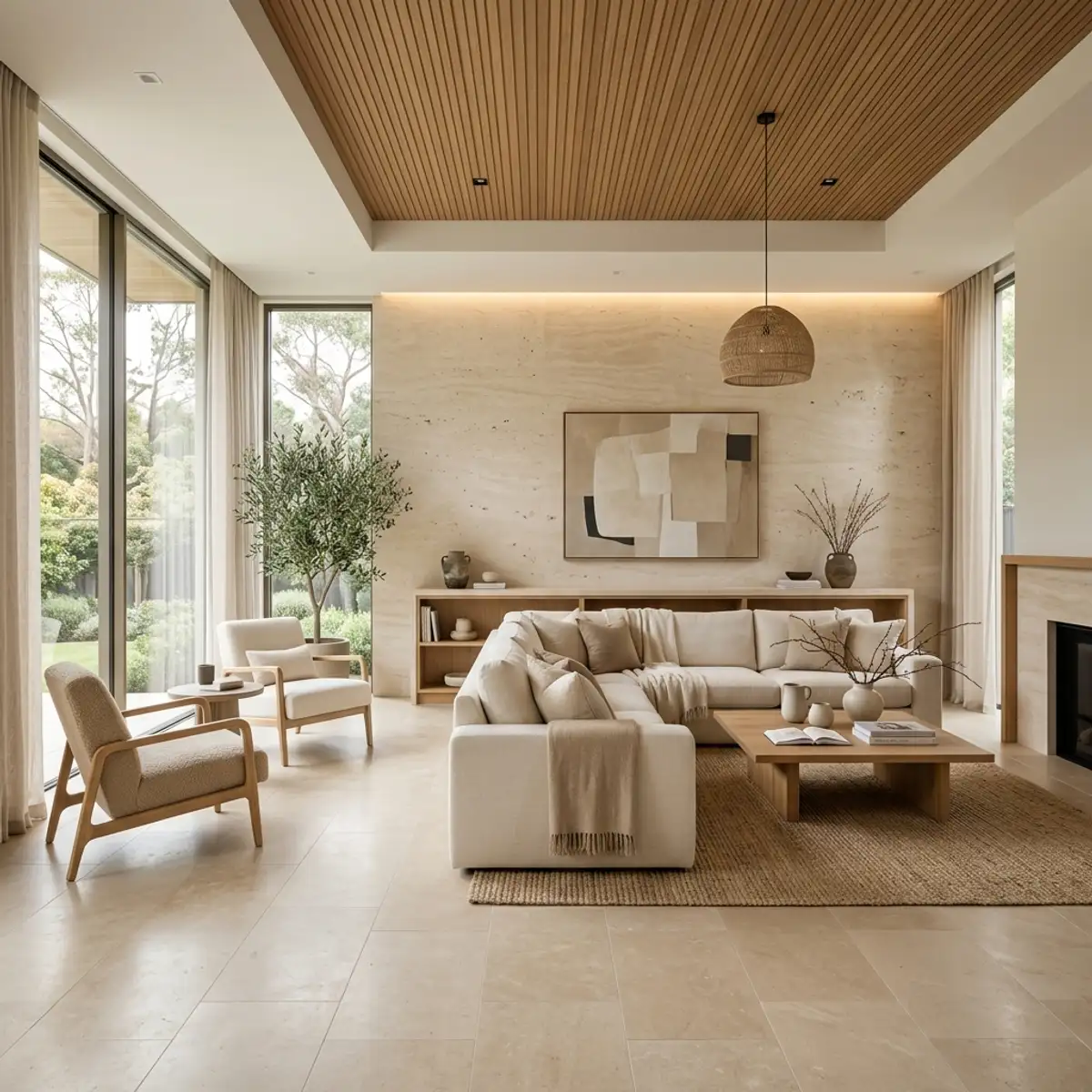
Home renovations usually start with excitement and quickly turn into decision fatigue. You look at hundreds of material samples, trying to find something that looks premium, lasts for decades and does not require constant maintenance. Selecting the wrong flooring or feature wall material means you might be ripping it out again in five years.
Most natural stones force a compromise. Marble brings a premium feel but stains easily if you spill coffee or turmeric. Granite offers extreme durability but often feels too heavy or commercial for a warm living space. You need a material that balances a natural look with practical strength.
This is why you should consider limestone. It bridges the gap perfectly. Known for its earthy tones and incredible density, this sedimentary rock has been used in European architecture for centuries. Today, it offers modern homeowners a clean look that works across various spaces. Let's look closely at the top limestone options while remodelling your home and how they can improve your living spaces. We will also touch on related natural stone renovation ideas to help you decide.
Table of Contents
Why Choose Limestone For Your Remodelling Project?
Limestone offers a rare balance of visual appeal and structural durability, making it highly suitable for both residential flooring and wall applications. It regulates temperature naturally, resists daily wear when sealed properly and provides a cost-effective alternative to premium marble while maintaining a high-end appearance.
When you look at modern interior design trends, there is a clear shift away from high-gloss, artificial surfaces. Homeowners want their spaces to feel grounded. Choosing limestone for house interiors achieves this effortlessly because of its subtle, earthy colour palette. It usually forms in shallow marine environments, which gives it different surface patterns. You might even find tiny fossilized shells in some premium slabs.
Beyond looks, density matters. Good quality limestone handles heavy foot traffic easily. While it is softer than granite, it is far more forgiving underfoot than standard vitrified tiles. This makes it comfortable to walk on barefoot, a crucial factor for Indian homes.
It also pairs exceptionally well with other natural materials. If your interior plan includes solid wood furniture, brass fixtures or indoor plants, limestone flooring for living rooms provides the perfect neutral backdrop that ties everything together.
5 Limestone Options While Remodelling Your Home
The top five limestone options while remodelling your home include indoor staircases, textured feature walls, warm kitchen worktops, architectural door and window surrounds and moisture-resistant bathroom flooring. Each application leverages the stone's natural strength and visual versatility.
Whether you are upgrading a single room or executing a full house renovation, this stone adapts to your needs. Here are the most effective ways to incorporate natural stone for home renovation projects.
1. Indoor Limestone Staircases
Limestone staircases create a grand entrance for any home. They withstand heavy daily foot traffic and provide excellent grip when specified with a honed or brushed finish, offering both safety and classic architectural appeal.
Few architectural elements impact a home's first impression like the main staircase. A sweeping set of limestone stairs instantly upgrades the entire property. The stone's natural density means it handles constant use without showing the wear paths you often see on carpeted or wooden stairs. This makes it the best limestone for indoor stairs.
The styling choices here are wide. You can pair a light beige limestone tread with a dark wrought iron railing for a classic European look. If you prefer a modern style, combine thick, floating limestone slabs with frameless glass balustrades. The contrast between the ancient stone and modern glass always looks intentional and expensive.
2. Textured Limestone Feature Walls
A limestone-clad feature wall transforms an ordinary room into a textured central feature. It works effectively behind television units or as a bedroom backdrop, naturally regulating room temperature while absorbing sound.
Paint and wallpaper are fine, but they lack depth. A natural stone wall adds physical texture that catches the light differently throughout the day. When you use split-face or tumbled limestone for a living room wall, you introduce a natural element that breaks up the flat drywall.
This application is highly practical in Indian climates. Natural stone has excellent thermal mass. It stays cool during hot afternoons and releases stored warmth slowly during cooler evenings. Furthermore, the uneven surface scatters sound waves, subtly improving the acoustics of a large, echo-prone living room.
3. Limestone Kitchen Worktops
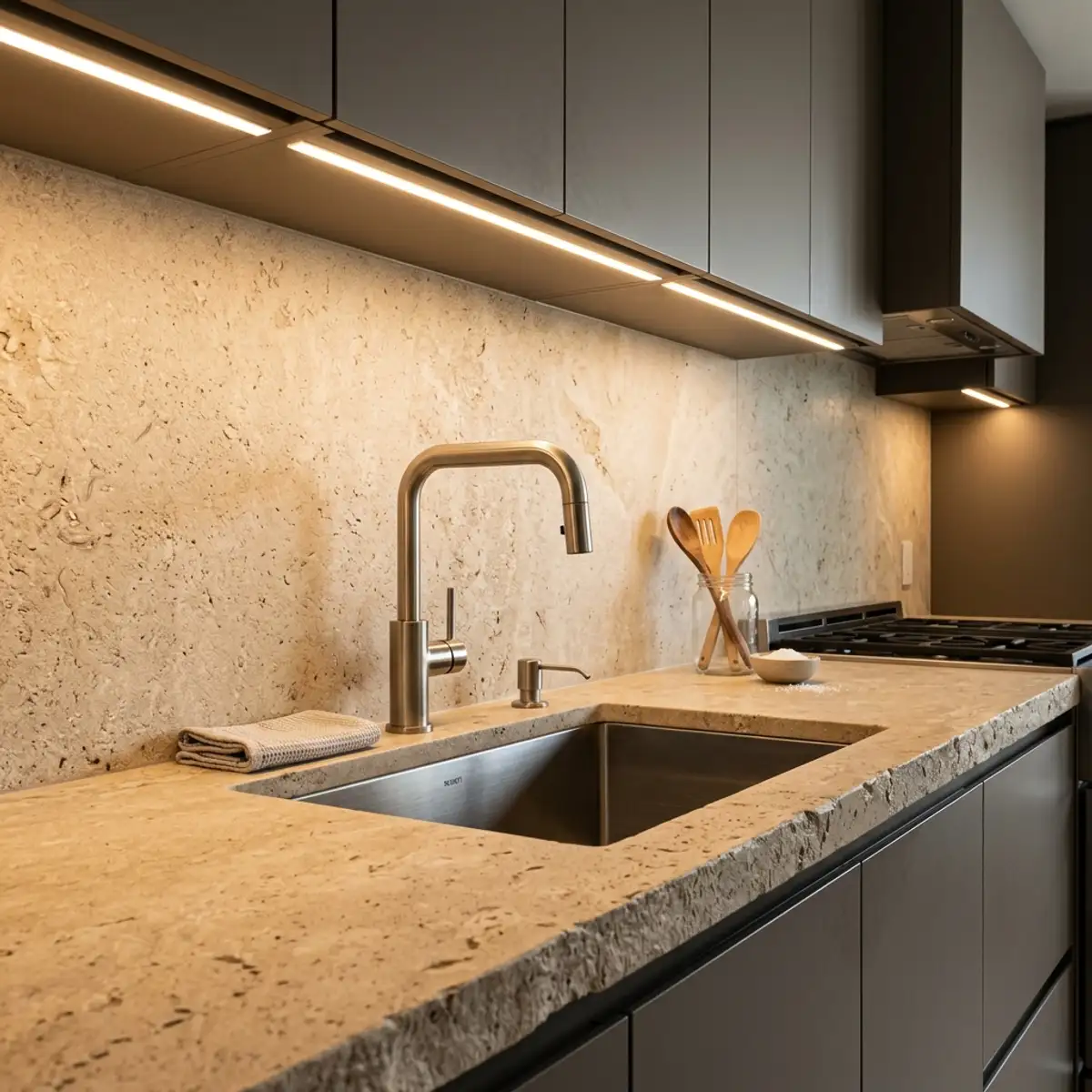
Limestone kitchen worktops provide a matte, understated alternative to highly polished granite. When sealed annually, they resist food stains effectively and offer a warm, inviting surface for food preparation and family gatherings.
The kitchen is the hardest working room in the house. Your surfaces need to survive hot pans, acidic spills and heavy impacts. While marble often etches when exposed to lemon juice, properly sealed limestone offers solid resistance. It brings a softer, more organic feel to the kitchen compared to the plain look of quartz or the heavy appearance of black granite.
If you are exploring stone options for your kitchen, matching your worktops with a lighter limestone floor creates a cohesive, expansive feel, making a small kitchen look significantly larger.
4. Architectural Door & Window Surrounds
Architectural surrounds made of limestone frame doors and windows, adding significant facade value. These carved or minimalist stone frames protect exterior edges from weather damage while instantly upgrading the property's curb appeal.
We often ignore the edges of our doors and windows. Framing these transitions with solid stone is an old architectural trick that works beautifully today. It gives a sense of permanence and structural thickness to the walls.
You can use simple, square-cut limestone blocks for a modern minimalist facade or opt for chamfered edges if you want a more traditional heritage look. Because limestone weathers gracefully outdoors, these surrounds look better as they age, requiring zero painting or touch-ups over the years.
5. Limestone Bathroom Tiles & Flooring
Limestone bathroom tiles provide natural water resistance and excellent slip protection when brushed or honed. The soft, earthy tones create a calming, relaxing space that standard glossy ceramic tiles cannot replicate.
Bathrooms should feel like a retreat. Glossy tiles look cheap and get dangerously slippery when wet. Limestone, especially with a slightly textured finish, gives your feet actual grip in the shower area, making it a great limestone for bathroom wet zones. The porous nature of the raw stone might worry some, but modern penetrating sealers lock the surface completely, preventing any moisture absorption or soap scum buildup.
The visual warmth is undeniable. A bathroom clad entirely in soft cream limestone feels like a high-end luxury spa, a stark contrast to the cold, sterile feel of standard white ceramics.
What Are The Different Limestone Finishes?
Limestone comes in several finishes depending on the application. Honed finishes offer a smooth, matte look. Tumbled finishes provide rustic, softened edges. Brushed finishes add texture for slip resistance and polished finishes create a formal, high-gloss appearance.
The finish you choose changes the stone's character entirely. If you are laying floor tiles in a high-traffic area, a honed finish is usually the best choice. It is smooth to the touch but lacks the high reflection that shows every speck of dust.
For outdoor patios or wet areas, a brushed finish is ideal. The brushing process removes the softer particles of the stone, leaving a slightly raised, textured surface that provides excellent grip.
If you want a farmhouse or heritage style, tumbled limestone is the answer. The stones are physically tumbled with water and abrasives, wearing down the sharp edges and creating a floor that looks like it has been walked on for three hundred years.
How To Clean And Maintain Limestone Surfaces?
Maintain limestone by sweeping daily to remove abrasive grit and mopping with a pH-neutral cleaner. Avoid acidic products like vinegar or bleach. Seal the stone every one to two years to maintain its resistance against water and stains.
There is a misconception that natural stone requires hours of maintenance. It doesn't. You just need to use the right products. The calcium carbonate in limestone reacts badly to acids. If you use a harsh bathroom cleaner or pure bleach, you will dull the finish and etch the stone.
Stick to a simple mixture of warm water and a specialized neutral stone cleaner. If you spill red wine or oil in the kitchen, wipe it up immediately. The sealer acts as a barrier, giving you plenty of time to clean the mess before it penetrates the rock.
Resealing is not a major construction project. You simply buy a penetrating stone sealer, wipe it onto the clean, dry stone with a cloth, let it sit for ten minutes and buff off the excess. A weekend afternoon is enough to seal an entire house.
Is Limestone Better Than Ceramic Tiles?
Limestone offers superior longevity, repairability and visual depth compared to ceramic tiles. While ceramics are cheaper and require no sealing, they chip easily and their printed patterns look repetitive. Limestone adds actual property value and ages beautifully.
When remodelling, you will inevitably compare limestone versus traditional ceramics. Here is a breakdown of how they differ in practice.
| Feature | Natural Limestone | Traditional Ceramic Tiles |
|---|---|---|
| Aesthetics | Unique natural patterns, no two stones are identical | Printed patterns that repeat visibly across a floor |
| Repairability | Scratches can be polished out; chips can be filled and blended | If chipped, the tile must be entirely replaced |
| Lifespan | Can last for centuries, ages with a beautiful patina | Typically 10-15 years before the glaze wears thin |
| Maintenance | Requires periodic sealing and neutral cleaners | Zero sealing required, handles most harsh chemicals |
FAQ
1. Is limestone too soft for a kitchen floor?
2. How often do I need to seal limestone options while remodelling your home?
3. Can I use limestone for an outdoor patio?
4. Does limestone add value to a property?
5. What happens if I spill acid like lemon juice on limestone?
Conclusion
When planning your next renovation, material selection dictates how your house feels and functions for the next twenty years. Artificial surfaces eventually look dated and cheaper ceramics show their wear quickly.
By exploring these limestone options while remodelling your home, you invest in a material that has proven its worth across centuries of architectural history. Whether it is a calming bathroom floor, a durable kitchen counter or a striking feature wall, limestone delivers a premium feel that simply does not go out of style.