


Painting exterior and interior walls often feels like an endless cycle. Every few years, you find yourself patching cracks, hiding moisture stains and repainting peeling surfaces. The Indian monsoon strips away cheap paint effortlessly. That beautiful feature wall you spent a huge amount on loses its charm before the year even ends. It gets expensive. Frankly, it gets annoying. You want a home that looks premium and stays that way without constant babysitting.
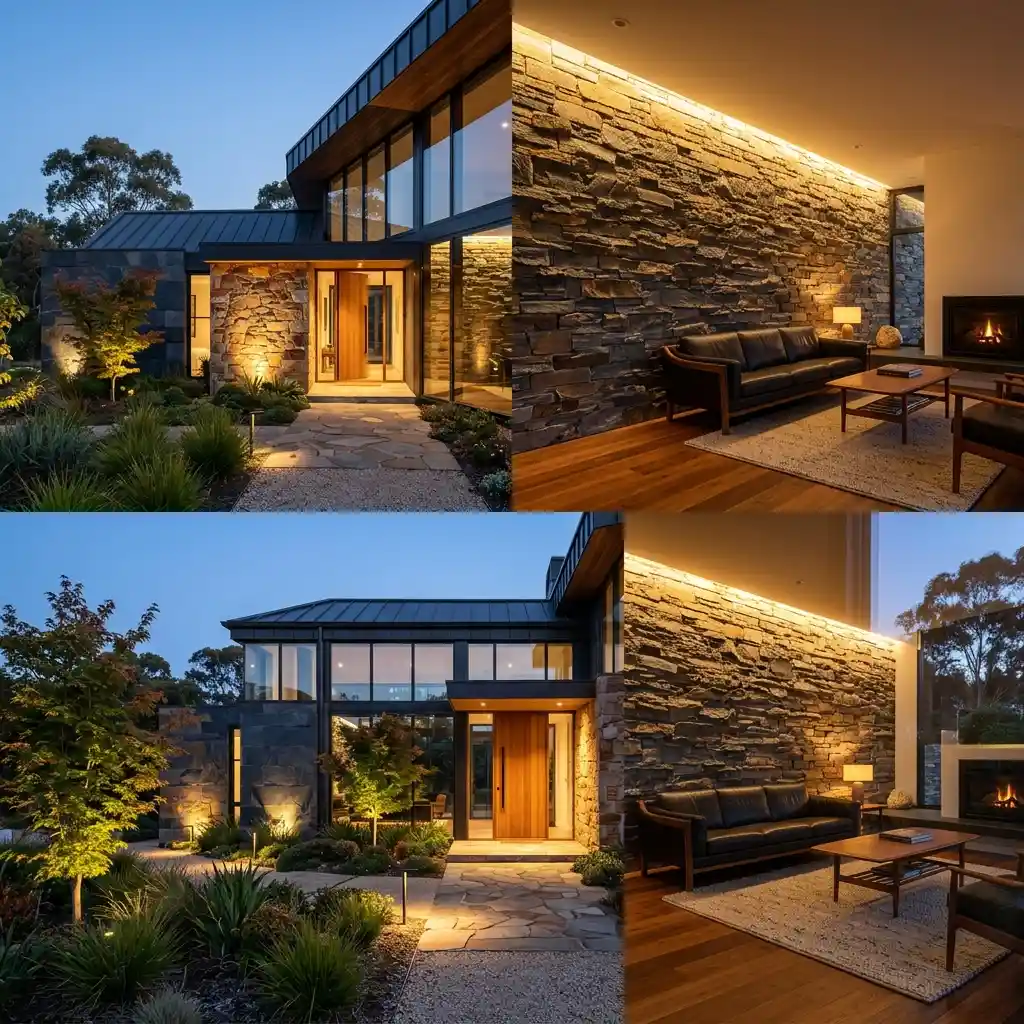
That’s exactly where natural stones for wall cladding come in. They protect your walls, regulate indoor temperatures and look incredible year after year. Let me walk you through the real options available, how they compare and why you should seriously consider them for your next renovation project.
Table of Contents
What Are Natural Stones for Wall Cladding?
Natural stones for wall cladding are thin layers of quarried stone applied to interior or exterior walls. They act as a protective and decorative layer, offering great durability, thermal insulation and a premium finish compared to paint or wallpaper.
Stone cladding isn’t just about slapping rocks onto a brick wall. It is an architectural technique that dates back centuries, refined for modern homes. Instead of building an entire wall out of solid stone, which would be incredibly heavy and expensive, we cut real stone into thin panels or veneers. You get the authentic look, texture and strength of stone without structural overload.
When you touch a cladded wall, you feel real sandstone grains or the cool surface of granite. It grounds a room in a way that synthetic materials simply cannot replicate. I’ve seen homes completely transformed just by adding a stone feature wall in the living room. It turns a boring, flat surface into the focal point of the house.
The Best Natural Stones for Wall Cladding in India
The best natural stones for wall cladding in India include sandstone, slate, limestone, marble and granite. Each offers unique textures and weather resistance, making them ideal for both interior feature walls and exterior facades.
Picking the right stone matters. Not all stones survive extreme heat or heavy rain equally well. Let’s break down the top contenders.
1. Sandstone
Sandstone is arguably the most popular choice for exterior natural stones for wall cladding in India. It has warm, earthy tones ranging from beige to deep red. Think of the Red Fort in Delhi or the palaces in Rajasthan; that’s sandstone.
It is naturally porous, which means it breathes well. When sealed correctly, it handles the Indian monsoon perfectly. For a rustic, traditional look on an exterior boundary wall or a farmhouse facade, you can’t really beat sandstone. The texture is rough, giving it a very grounded, natural feel.
2. Slate
Slate is a fine-grained rock that splits into thin, beautiful sheets. It usually comes in dark grey, black, or rusty copper tones. If you want a modern, sleek look, slate is your best bet.
It is highly water-resistant, making it excellent for areas prone to moisture. Many designers use it for bathroom accent walls or near indoor water features. The charcoal and black variations look incredibly premium when paired with warm LED lighting.
If you are looking for specific design ideas using slate, you might find our slate stone wall cladding collection helpful. It covers different textures and lighting setups that bring out the best in this stone.
3. Limestone
Limestone brings a softer, more muted aesthetic. The colours are usually off-white, cream, or pale grey.
I really like limestone for interior cladding. It reflects light beautifully, making smaller rooms feel larger and more open. It isn’t as hard as granite, so it’s easier to carve into custom shapes if you want a specific pattern. However, because it is softer, it is better suited for interiors or covered patios rather than fully exposed exterior walls where acid rain might degrade it over time.
For a deeper dive into how this stone works indoors, check out our piece on limestone options you should consider while remodelling your home.
4. Marble
When we talk about luxury natural stones for wall cladding, marble is always in the conversation. It is synonymous with wealth and elegance.
Marble cladding is strictly for interiors. A polished marble feature wall in an entryway or behind a TV unit screams sophistication. The natural veining means no two panels are ever exactly alike. It requires a bit more maintenance than slate or granite as it can stain if exposed to acidic substances, but the visual impact is worth the extra care.
5. Granite
Granite is highly durable. It is one of the hardest natural stones available.
Available in a massive variety of colours, from absolute black to speckled greens and reds, granite is perfect for high-traffic areas. Many commercial buildings use granite cladding for their ground floors because it doesn’t scratch easily and is virtually impervious to weather. If you want an exterior wall that you install once and literally never worry about again, choose granite.
Why Architects Prefer Natural Stones for Wall Cladding
Architects prefer natural stones for wall cladding because they offer a long life, natural thermal insulation and acoustic benefits. They also blend easily with modern materials like glass and steel while requiring minimal long-term maintenance.
It isn’t just about looks. There is a very practical reason professionals lean towards stone.
Thermal Insulation
Stone is dense. It absorbs heat slowly during the day and releases it slowly at night. In a hot country like India, cladding your west-facing walls with natural stone can significantly reduce the heat entering your home. Your air conditioning doesn’t have to work as hard. That translates to lower electricity bills.
Acoustic Dampening
If you live near a busy street, a thick stone wall acts as a brilliant sound barrier. The irregular surface of split-face stone scatters sound waves, reducing echo inside a room and blocking noise from outside.
High Durability
Paint flakes. Wood rots. Synthetic tiles fade under UV light. Natural stone just sits there, looking exactly as it did the day it was installed. The only maintenance it usually needs is a quick pressure wash once a year for exterior walls.
You can read more about the architectural perspective in our article about the natural stones that are preferred by architects for wall cladding.
Creative Ways to Use Natural Stones for Wall Cladding Inside Your Home
Natural stones for wall cladding aren’t just for exterior walls. Interior designers use them strategically to break up monotonous spaces and add tactile interest to modern homes.
I’ve noticed a massive shift away from flat, painted interior walls. People want texture. They want walls that feel alive when you touch them.
The Living Room Feature Wall
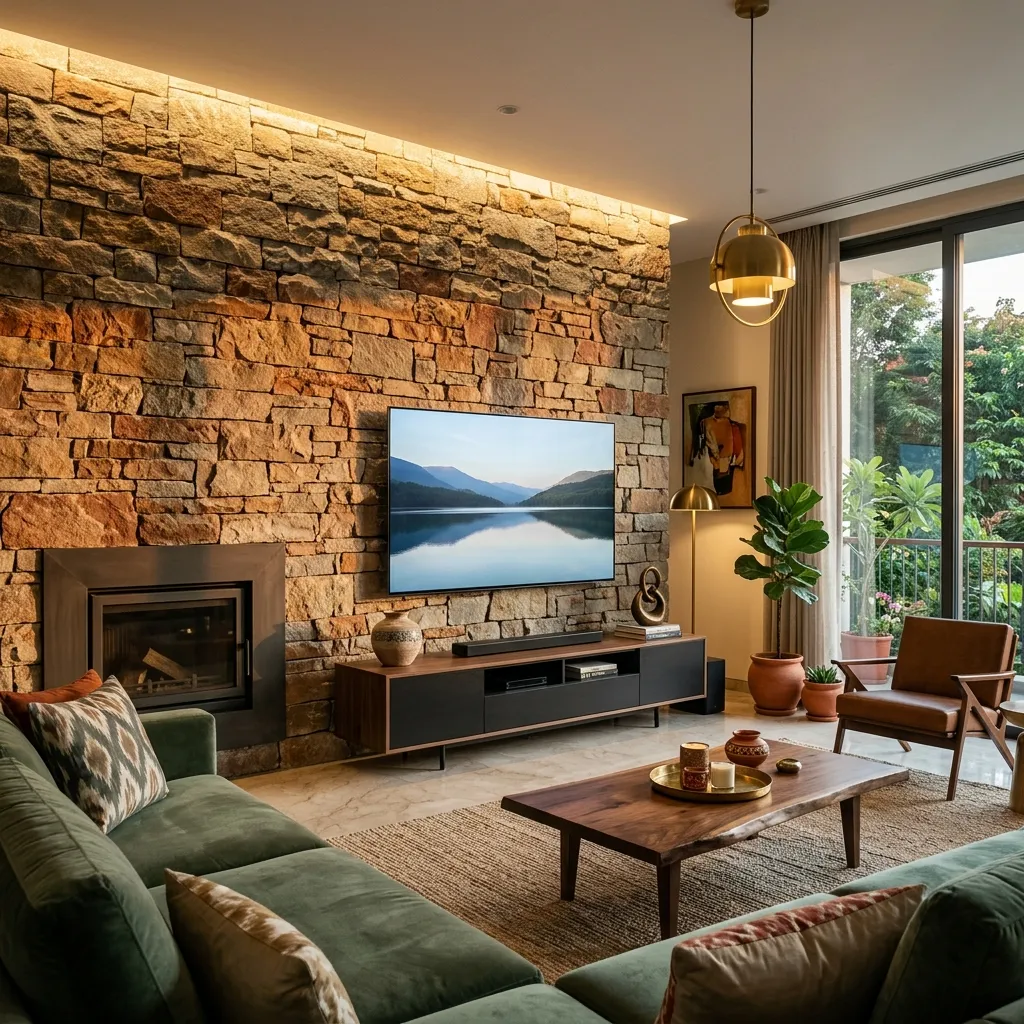 Instead of wallpaper behind your television, consider a rough-cut slate or stacked sandstone wall. The contrast between a sleek, ultra-thin flat-screen TV and millions-of-years-old rugged stone is visually stunning. It instantly becomes a conversation starter.
The Bedroom Headboard Wall
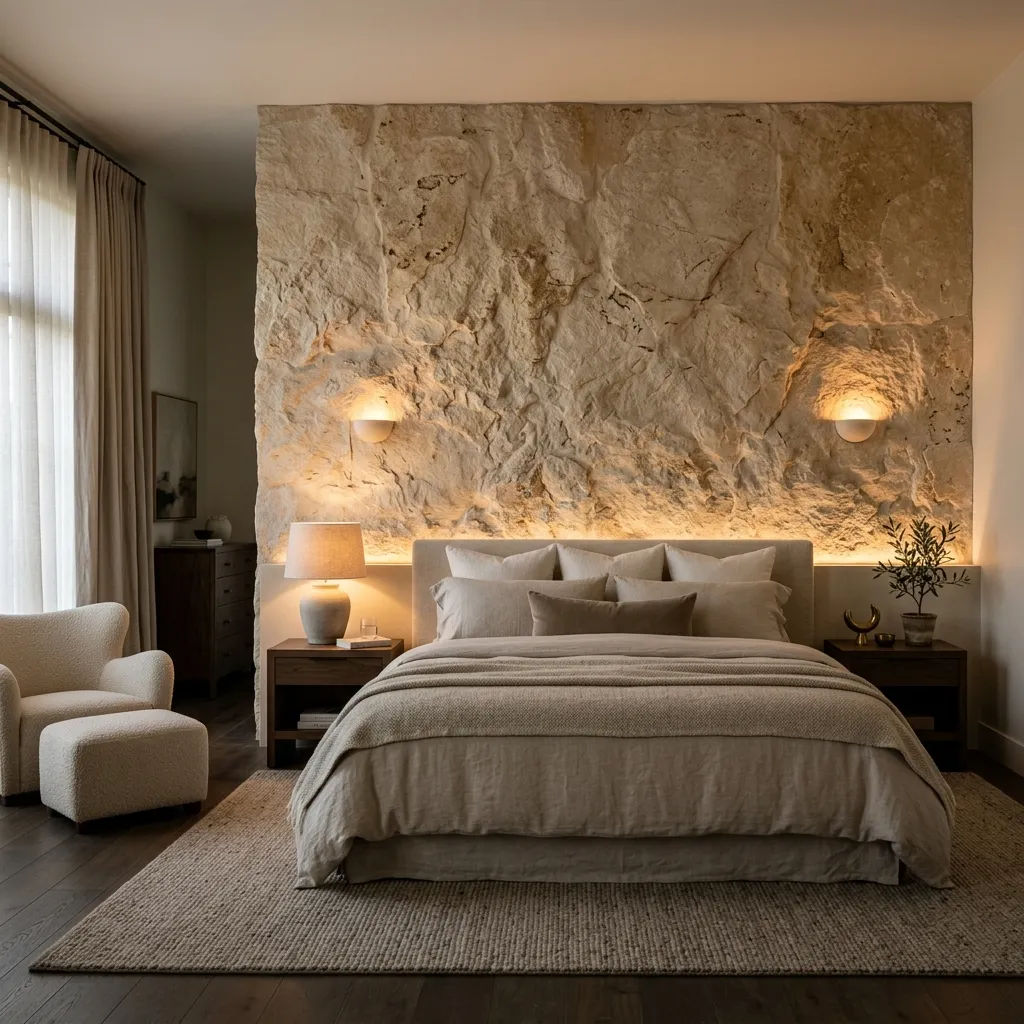 A softer stone, like a honed limestone or a subtle marble panel, works beautifully behind a bed. It acts as a massive, organic headboard. When you combine this with soft, warm bedside lighting that washes up the wall, the shadows dance across the stone's natural imperfections. It creates an incredibly cozy atmosphere.
Indoor Courtyards and Pooja Rooms
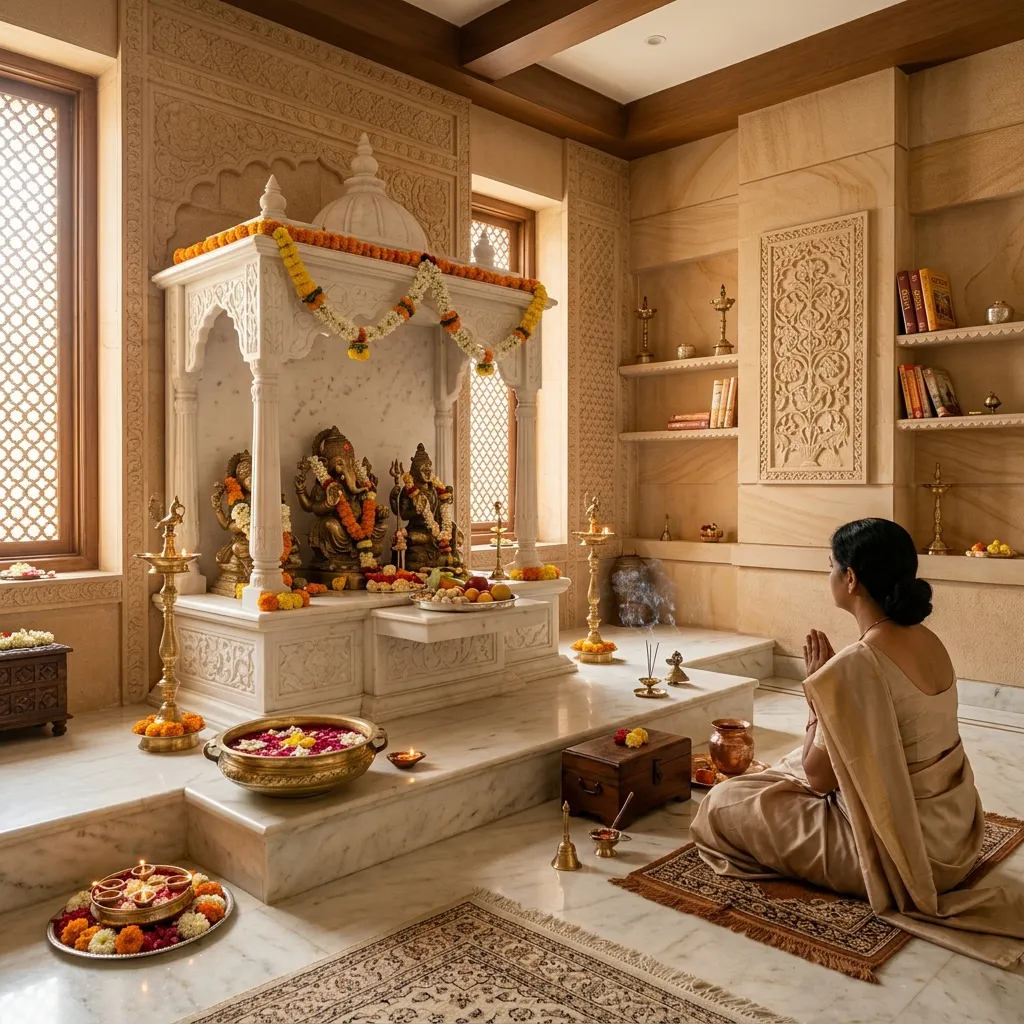 In many Indian homes, the pooja room or indoor courtyard is a space for peace and reflection. Natural stone grounds these spaces. A pale sandstone or white marble cladding provides a serene, earthy backdrop that feels timeless.
Comparing Natural Stone Cladding to Alternatives
How do natural stones for wall cladding stack up against other materials? Let’s look at the numbers and realities.
| Feature | Natural Stone Cladding | Ceramic/Porcelain Tiles | Exterior Paint |
|---|---|---|---|
| Lifespan | 50+ years | 15-20 years | 3-5 years |
| Maintenance | Very Low (Occasional wash) | Low | High (Frequent repainting) |
| Aesthetic Value | Premium, Unique | Repetitive patterns | Basic |
| Thermal Insulation | High | Low | None |
| Long-term Cost | Low | Medium | High |
Yes, the initial investment for stone is higher. But when you factor in the cost of repainting your house every five years, the stone actually pays for itself. You are paying for peace of mind.
How to Install Natural Stones for Wall Cladding
Installing natural stones for wall cladding involves preparing the wall surface, applying a high-quality polymer-modified adhesive, fixing the stone panels securely and applying a penetrating sealer to protect against moisture and stains.
Do not try to DIY this. Stone is heavy, and if it isn’t anchored correctly, it can fall and cause serious injury. Always hire experienced masons.
Here is the general process they will follow:
Surface Preparation
The wall must be structurally sound. Plaster is usually chipped or roughened to give the adhesive something to grip.
Waterproofing
A waterproofing layer is applied, especially for exterior walls, to protect against moisture seepage.
Adhesive Application
Standard cement isn't enough. Masons use special polymer-modified adhesives specifically designed to handle the weight of the stone.
Fixing the Stone
The stones are firmly pressed into place. Depending on the size and weight, mechanical anchors (metal clamps) might be used for extra safety.
Sealing
Once the adhesive cures, a penetrating sealer is applied. This stops water from soaking into porous stones like sandstone, preventing moss growth and staining.
Avoiding Common Mistakes with Stone Cladding
I’ve seen some expensive mistakes made with stone cladding. Here is how to avoid them.
-
Using the wrong stone outdoors.
Putting a soft, porous limestone on a wall that gets heavy rain without sealing it properly is a disaster waiting to happen. It will grow algae and crumble. Always match the stone to the environment.
-
Skipping the sealer.
I can't stress this enough. A good penetrating sealer costs a small amount but saves your expensive stone wall from ruin.
-
Poor lighting.
Stone looks best when light hits it at an angle. If you install a beautiful textured slate wall and don't put any spotlights or grazing lights on it, you lose 80% of the visual impact. Lighting is what makes the texture pop.
The Environmental Impact of Natural Stone
Natural stones for wall cladding are highly sustainable because they are a naturally occurring material that requires no chemical processing to manufacture, unlike synthetic tiles or paints. They are also 100% recyclable.
When you buy locally sourced Indian stone, like Rajasthan sandstone or South Indian granite, the carbon footprint drops significantly. You aren’t shipping heavy materials across oceans. Plus, because the stone lasts for decades, you aren’t contributing to landfill waste the way you do when you rip out old wallpaper or tiles.
Final Thoughts on Natural Stones for Wall Cladding
Natural stones for wall cladding aren’t a trend. They are a permanent upgrade to your property.
They fix the problem of constant maintenance while giving your home a premium, grounded feel that artificial materials simply can’t match. Whether you go with the rustic charm of sandstone, the sleek modernism of slate or the high strength of granite, you are making a solid investment.
Take your time choosing the right stone. Look at samples in different lighting conditions. And please, hire a good installer.