


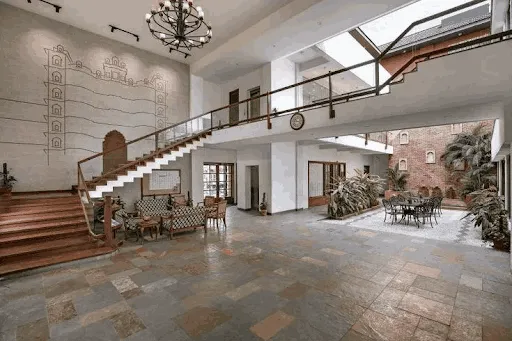
Your home looks good, but the floors are letting it down. Scratched tiles, fading laminate, and dated vinyl can make even the most expensive furniture look cheap. Every time guests walk in, those worn patches are the first things they notice. Replacing floors every five years is a massive waste of money. You are essentially paying for temporary solutions that never truly satisfy your design vision.
Natural stone flooring fixes this permanently. A proper stone floor outlasts the building it sits in. At Stone World, we have installed natural stone in hundreds of Indian homes and commercial spaces. In this guide, I will share the most practical natural stone flooring ideas to help you choose the right material for your space.
Table of Contents
Why Choose Natural Stone Flooring?
Natural stone flooring is highly durable, easy to maintain, and eco-friendly. Materials like granite and marble resist heavy wear and tear while adding significant value to your property. These floors do not harbor dust or allergens, making them a healthy choice for indoor environments.
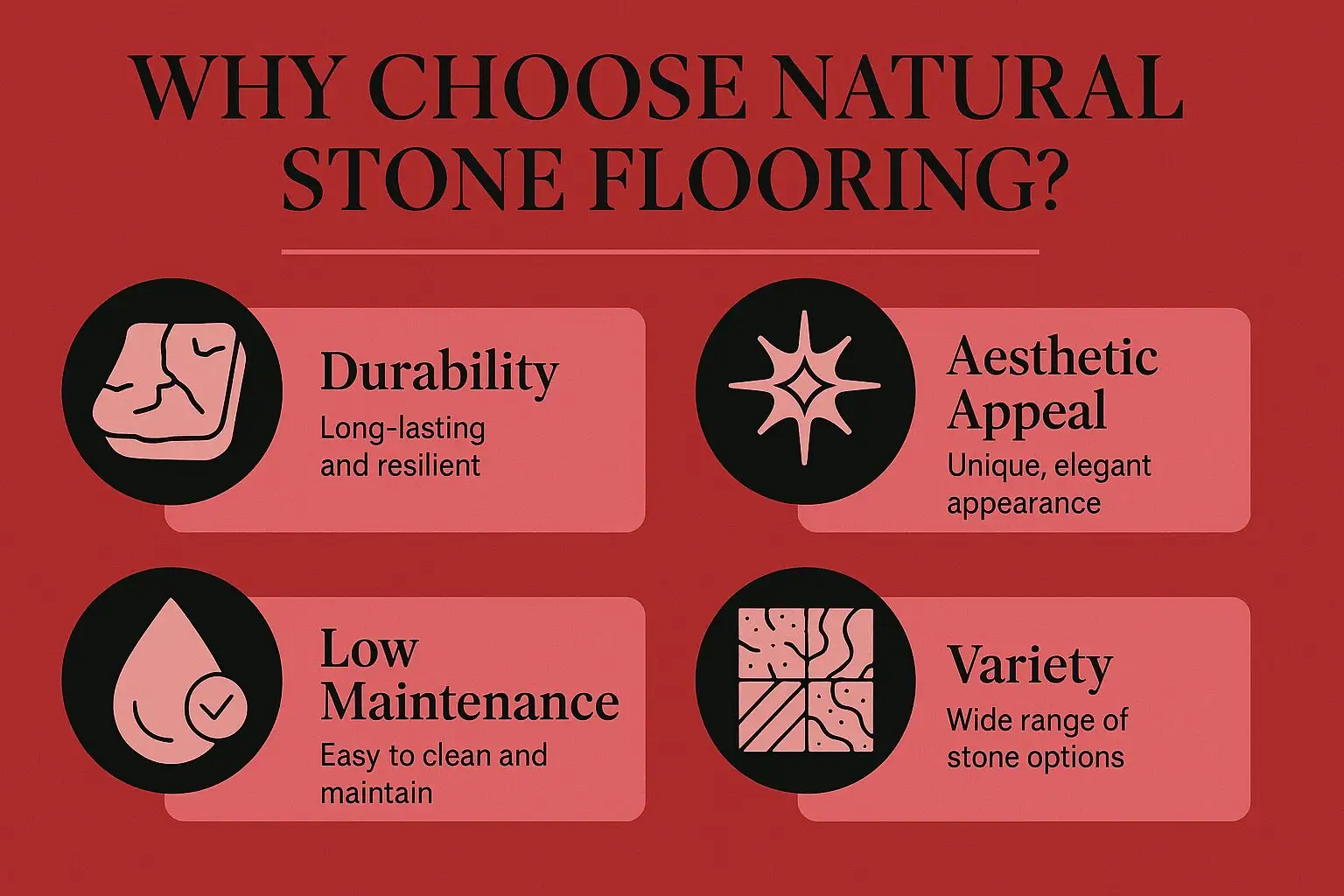
People often ask me if stone floors are worth the initial cost. The short answer is yes. You pay once for the installation, and the floor stays beautiful for decades. Synthetic floors degrade over time. Stone actually develops a natural patina that looks better as it ages. I see homeowners tear out linoleum after just ten years. A good granite floor will look exactly the same fifty years from now.
Durability is the main reason homeowners switch to stone. If you drop a heavy cast-iron pan in the kitchen, ceramic tiles will crack instantly. Laminate will dent. Granite and slate just shrug it off. They can handle high foot traffic without showing signs of wear. This is exactly why you see natural stone in ancient temples and historic buildings across India.
Then there is the aesthetic value. No two slabs of natural stone are exactly alike. When you install a marble or limestone floor, you get a unique pattern created by nature over millions of years. It feels premium because it is premium. You cannot replicate that depth with printed porcelain.
Let's talk about maintenance. Some people think stone requires constant professional care. It does not. You need to sweep it and occasionally mop with a neutral cleaner. Some porous stones need sealing once a year. That takes about thirty minutes for an entire living room. It is far less work than deep-cleaning carpets or trying to repair scratched engineered wood.
Top Natural Stone Flooring Materials
The most popular natural stone flooring ideas and materials include marble, granite, slate, limestone, travertine, and sandstone. Each stone has unique properties. Granite offers maximum durability for high-traffic zones, while marble provides a luxurious finish for living areas and foyers.
1. Marble Flooring for Luxury Spaces
Marble flooring is a metamorphic rock known for its distinct veining and glossy finish. It is best suited for low-traffic indoor areas like living rooms and master bathrooms where its elegant appearance can take center stage without heavy abuse.
Marble is the classic choice. When you want a space to look incredibly expensive, you use marble. It has a slightly translucent quality that bounces light around the room, making small spaces feel much larger. I usually recommend marble for formal living rooms, entryways, or high-end corporate lobbies.
It requires a bit more care than other stones. Marble can scratch, and it will stain if you spill acidic liquids like lemon juice, vinegar, or wine and leave them sitting. If you host a lot of parties, you might want a honed finish rather than a highly polished one. Honed marble hides scratches much better and provides a bit more grip underfoot. Check out our detailed guide on marble stone flooring for more insights.
One trick I always suggest is using large-format marble slabs rather than small tiles. It minimizes the grout lines and creates a seamless, flowing look across your entire floor plan. It costs slightly more for installation, but the visual impact is absolutely worth it.
2. Granite Flooring for Maximum Durability
Granite flooring is an igneous rock that ranks among the hardest natural stones available. It resists scratches, stains, and heat, making it the ideal choice for busy kitchens, hallways, and high-traffic commercial spaces.
If you have a busy household with energetic children and pets, granite is your best friend. It is incredibly dense. You can drop keys on it, drag heavy wooden chairs across it, and it will barely show a mark. I have seen twenty-year-old granite floors that look like they were installed yesterday.
Granite comes in hundreds of colors. You are not just limited to grey and black. You can find vibrant reds, deep greens, and speckled whites. It is naturally resistant to moisture, which is a massive advantage. I always suggest granite for kitchens. You do not have to worry about water damage near the sink or stains from cooking oil spills. We have an extensive collection; you can read more about it in our granite stone flooring section.
3. Slate Flooring for Rustic Charm
Slate flooring features a highly textured, slip-resistant surface. It is a metamorphic rock that splits into flat sheets, providing a natural, earthy look perfect for bathrooms, kitchens, and outdoor patios.
Slate is fantastic because it brings real physical texture into a room. It usually comes in dark shades of grey, green, and black, though you can sometimes find rust-colored variations. The uneven surface naturally prevents slipping. This is exactly why architects specify it for wet areas and outdoor spaces.
I love using slate in bathrooms. It feels great under bare feet and looks completely natural. It is also extremely forgiving with dirt. If you want a floor you don't have to mop every single day to keep looking clean, slate is a strong contender. The dark tones hide dust perfectly.
4. Limestone Flooring for Warm Interiors
Limestone flooring is a sedimentary rock that offers soft, muted earth tones. It creates a warm and inviting atmosphere, making it highly popular for rustic and country-style kitchen designs and cozy living areas.
Limestone is softer than granite and marble. It feels chalky and warm to the touch. The colors usually range from creamy whites to sandy yellows and light greys. It does not reflect light sharply, which gives rooms a very relaxed, calming vibe.
Because it is highly porous, you absolutely must seal limestone properly before using the room. If you do, it makes for a beautiful, comfortable floor. It pairs exceptionally well with wooden furniture and lots of natural sunlight.
5. Travertine Flooring for Textured Elegance
Travertine is a form of limestone deposited by mineral springs. It is characterized by natural pits and voids on its surface. When filled and polished, it creates a unique, highly textured floor.
Travertine sits somewhere between marble and limestone in terms of appearance. It has this incredible weathered, ancient look. Some people leave the natural holes unfilled for a highly rustic feel, though filling them makes the floor much easier to sweep and mop.
It is widely used for outdoor pool decks because it stays cool under the hot sun. Indoors, it works wonderfully in long hallways and dining rooms. You often see travertine in Mediterranean-style homes. It brings a lot of personality to a space without overwhelming the other design elements.
6. Sandstone Flooring for Contemporary Spaces
Sandstone flooring provides a smooth, uniform finish in natural earthy shades. It is highly versatile and works beautifully in both contemporary indoor spaces and outdoor garden paths.
Sandstone has a very consistent texture. It doesn't have the wild, unpredictable veining of marble or the busy speckles of granite. If you want a minimalist, clean look that still feels natural, sandstone delivers exactly that.
It is relatively porous, so it needs a good sealant to prevent water absorption. I often see sandstone used in modern homes that feature large floor-to-ceiling glass windows and open-plan layouts. It bridges the gap between indoor and outdoor spaces beautifully. For more indoor applications, see our guide on indoor natural stone flooring.
Natural Stone Flooring Ideas for Different Rooms
Selecting the right natural stone flooring depends entirely on the room's function. Living rooms benefit from the elegance of marble, kitchens require the durability of granite, and bathrooms need the slip resistance of slate or textured travertine.
Living Room Natural Stone Flooring
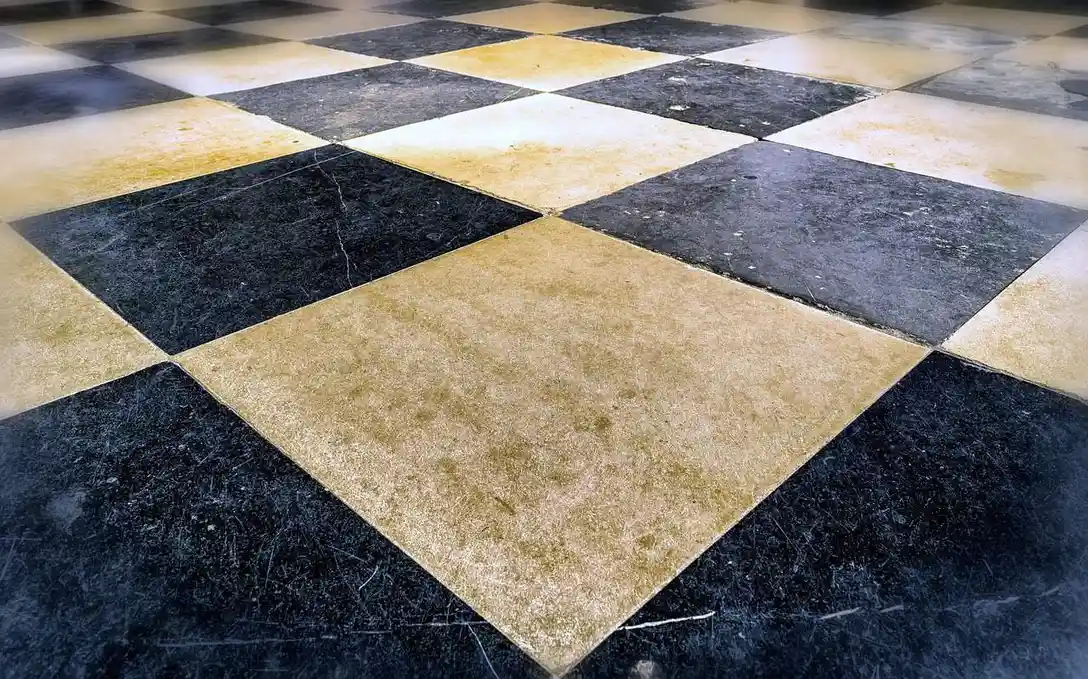
Your living room sets the tone for the house. It is where you entertain guests and spend most of your evening. I recommend using large tiles here. Fewer grout lines mean the floor looks like one continuous piece of stone.
Marble is the top choice here. You can use lighter shades like Banswara White to make the room feel airy and open. If you want a bold, dramatic statement, a dark granite with intricate patterns works exceptionally well. Pair the stone with a large area rug to add warmth and absorb sound. Heavy curtains also help soften the acoustics in a room with stone floors.
Kitchen Natural Stone Flooring
Kitchens are brutal on floors. You need a material that fights back. Granite is my first recommendation every single time. You can spill hot oil, drop a carving knife, or drag a heavy double-door fridge across it during spring cleaning, and the granite will survive.
If you prefer a matte look, slate is an excellent alternative. The dark colors of slate hide crumbs and dust between sweeps. Make sure whatever stone you choose for the kitchen is sealed properly. Cooking oils can seep into unsealed stone and leave dark patches that are very difficult to remove.
Bathroom Stone Flooring Options
Safety is the absolute priority in a bathroom. A highly polished marble floor looks stunning but turns into a dangerous ice rink when wet. You need a honed, tumbled, or naturally cleft finish.
Slate is naturally slip-resistant because of its uneven surface. It also handles moisture perfectly without warping or degrading. I highly recommend using smaller tiles in the shower enclosure itself. The extra grout lines provide additional grip for your feet, reducing the risk of slipping even further.
Outdoor Natural Stone Flooring
When you move outdoors, the rules completely change. The stone needs to withstand heavy rain, direct blasting sunlight, and muddy boots. It needs to be tough.
Travertine is famous for outdoor use, especially around swimming pools, because it does not absorb heat like dark granite does. You can walk on it barefoot in the middle of summer. Sandstone is great for winding garden pathways. Slate works exceptionally well for covered patios. Avoid polished finishes outdoors entirely. They are way too slippery and will lose their shine quickly due to windblown dust and weather exposure.
Comparing Natural Stone Flooring Options
| Stone Type | Best For | Durability | Slip Resistance | Maintenance |
|---|---|---|---|---|
| Granite | Kitchens, Hallways | Very High | Medium | Low |
| Marble | Living Rooms, Foyers | Medium | Low | High |
| Slate | Bathrooms, Outdoors | High | High | Low |
| Limestone | Living Areas, Bedrooms | Medium | Medium | Medium |
| Travertine | Patios, Pool Decks | Medium | Medium | Medium |
| Sandstone | Gardens, Pathways | Medium | High | Medium |
Maintenance and Care for Natural Stone Floors
Maintaining natural stone flooring requires regular sweeping and mopping with a pH-neutral cleaner. Avoid acidic or abrasive chemicals. Most natural stones benefit from annual sealing to protect against stubborn stains and moisture penetration.
People overcomplicate stone maintenance. It is actually very straightforward once you know the basics.
First, sweep the floor regularly. Dust and sand act like fine sandpaper under your shoes. If you remove the dirt, the floor will not scratch. A soft microfiber dust mop works best for this daily chore.
Second, mop with a pH-neutral cleaner. Do not use bleach, vinegar, or harsh bathroom chemicals on natural stone. Acid eats into the surface of marble and limestone, causing dull, white spots called etching. Just use warm water and a stone-safe soap.
Finally, seal the floor. You can buy a good penetrating sealer at any local hardware store. You just wipe it on with a soft cloth, wait fifteen minutes, and wipe off the excess. I suggest doing this once a year for porous stones like limestone, and maybe every three years for dense stones like granite. It is a simple weekend project.
Eco-friendly Aspects of Natural Stone Flooring
Natural stone is a highly sustainable building material. It requires minimal processing compared to synthetic alternatives, does not emit harmful volatile organic compounds (VOCs), and can last for centuries without needing replacement.
If you care about the environment, stone is a great choice. Think about how laminate or luxury vinyl floors are made. They require chemical resins, plastics, and massive amounts of factory energy to manufacture. Then they sit in a landfill when you rip them up ten years later.
Stone comes directly from the earth. We cut it, polish it, and install it. There are no synthetic chemicals involved in the actual material. It does not off-gas VOCs into your home, which means much better indoor air quality for your family. Because it lasts practically forever, you are not contributing to the constant cycle of disposable building materials. It is a genuine lifetime product. When you choose natural stone flooring, you are making a conscious decision to build sustainably for future generations.
Cost Expectations for Stone Flooring
Let's talk about the budget. Stone is not the cheapest option on the market. If you are flipping a house quickly on a tight budget, you might look at porcelain tiles. But if you are building your forever home, stone is actually cheap over the long run because you never replace it.
Granite and rare marbles sit at the higher end of the price spectrum. Slate and sandstone are generally more affordable. The cost also heavily depends on where the stone comes from. Locally quarried stones in India are very reasonably priced compared to imported Italian Calacatta marbles.
At Stone World, we work directly with quarries to get the best possible prices for our clients. We can find a beautiful stone that fits your specific budget without compromising on quality.
Frequently Asked Questions
1. What is the best natural stone for flooring?
2. Is natural stone flooring easy to maintain?
3. Can natural stone flooring be used outdoors?
4. Do stone floors increase home value?
5. How often should natural stone floors be sealed?
Final Thoughts on Natural Stone Flooring
Choosing the right floor changes the entire feel of your home. Natural stone offers something that synthetic materials simply cannot replicate: authenticity. The subtle variations in color, the solid feel underfoot, and the knowledge that your floor is millions of years old give a room real, undeniable character.
Whether you decide on the dramatic elegance of marble or the rugged charm of slate, you are making a solid investment in your property. We have the expertise to help you make the right choice.
Ready to transform your home with natural stone flooring? Contact Stone World today for a free consultation and let us find the perfect stone for your project.