


Painting the outside of your house feels like a chore that never ends. You spend lakhs on premium exterior emulsions, only to watch the Indian monsoon wash away that fresh look within a couple of years. The harsh summer sun fades the colours and before you know it, you are patching up peeling spots. It gets frustrating. You want an exterior that looks incredibly premium and stays that way without you having to worry about it every season. This is exactly why choosing the right exterior stone cladding texture is so important.
That is where choosing the right exterior wall cladding stone changes the game entirely. Adding real stone to your walls does more than just protect the structure. It gives your home a grounded, permanent character that synthetic materials cannot match.
Let me walk you through the different textures available, how they perform in our climate and why they make sense for your next renovation project. We will explore everything from rustic split-face finishes to sleek polished looks, ensuring you make an informed decision that will last for decades.
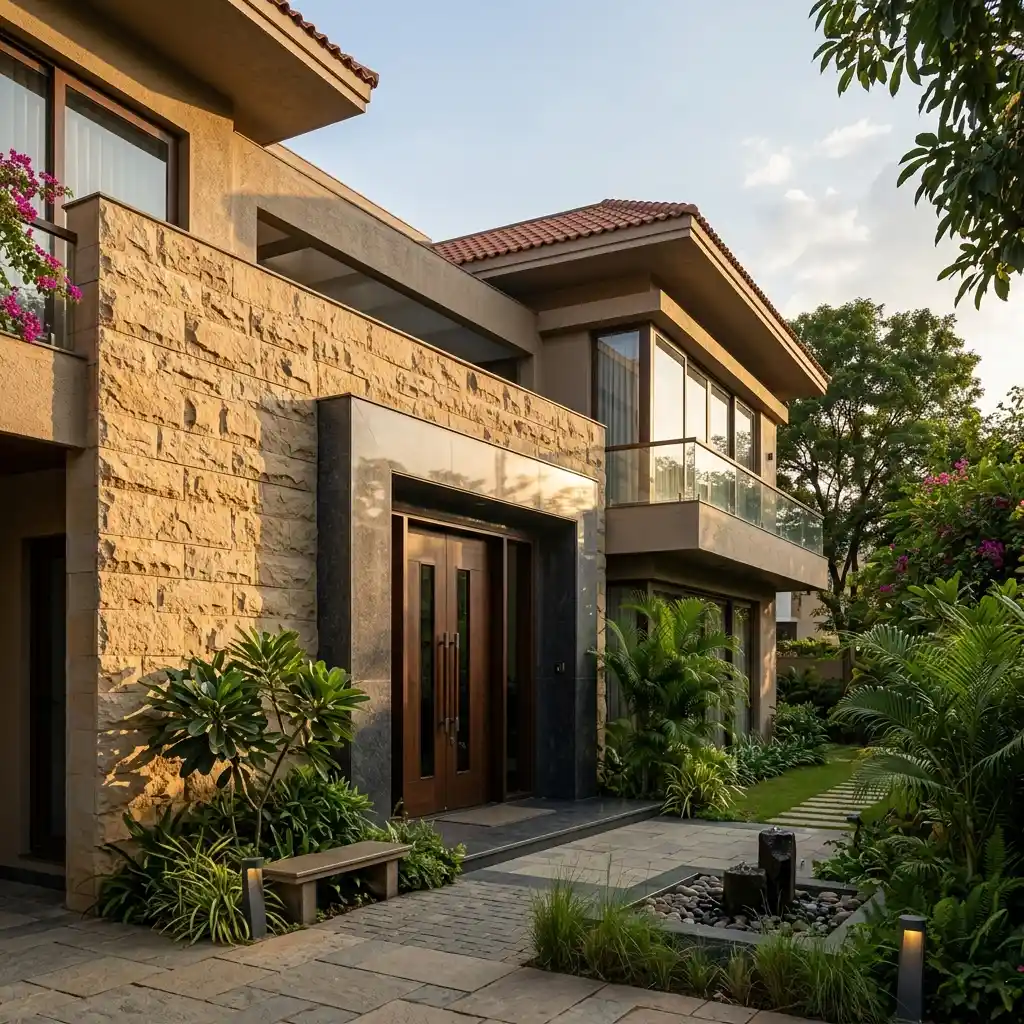
Table of Contents
What is Exterior Stone Cladding Texture?
Exterior stone cladding texture refers to the specific surface finish applied to natural stone panels used on building facades. These textures range from highly polished and smooth to rough and split-faced, directly influencing both the aesthetic appeal and the weather resistance of the exterior wall.
When people think about building a natural stone facade, they often picture a uniform, flat surface. But the reality is that the texture of the stone matters just as much as its colour or origin. The texture dictates how light interacts with your wall. It determines how shadows fall across the facade during sunset and how the building responds to rainwater.
In India, we have access to some of the finest natural stones in the world. Sandstone from Rajasthan, granite from the south and slate from the northern states all offer distinct tactile experiences. When you select an exterior stone cladding texture, you are deciding whether your home will look like a rugged, traditional farmhouse or a sleek, ultra-modern villa.
The manufacturing process involves extracting large blocks of stone from quarries and then processing them through various mechanical techniques. Some blocks are split naturally along their fault lines using chisels. Others are tumbled with heavy abrasives or blasted with high-intensity flames to achieve the desired surface. This careful process means you get a material that is genuinely unique. No two textured stone panels will ever be completely identical, giving your facade a bespoke character.
Popular Exterior Stone Cladding Texture Options
The most popular exterior stone cladding texture options in India include split-face for a rustic look, honed for a smooth matte finish, flamed for high grip and weather resistance and tumbled for an aged, vintage appearance on residential facades.
Selecting the right finish can feel overwhelming with so many options available in the market. Let’s look closely at the textures that actually perform well on Indian exteriors and remain popular among top designers. If you want a broader perspective, you can read our detailed guide on the different types of natural stone finishes.
1. Split-Face Texture
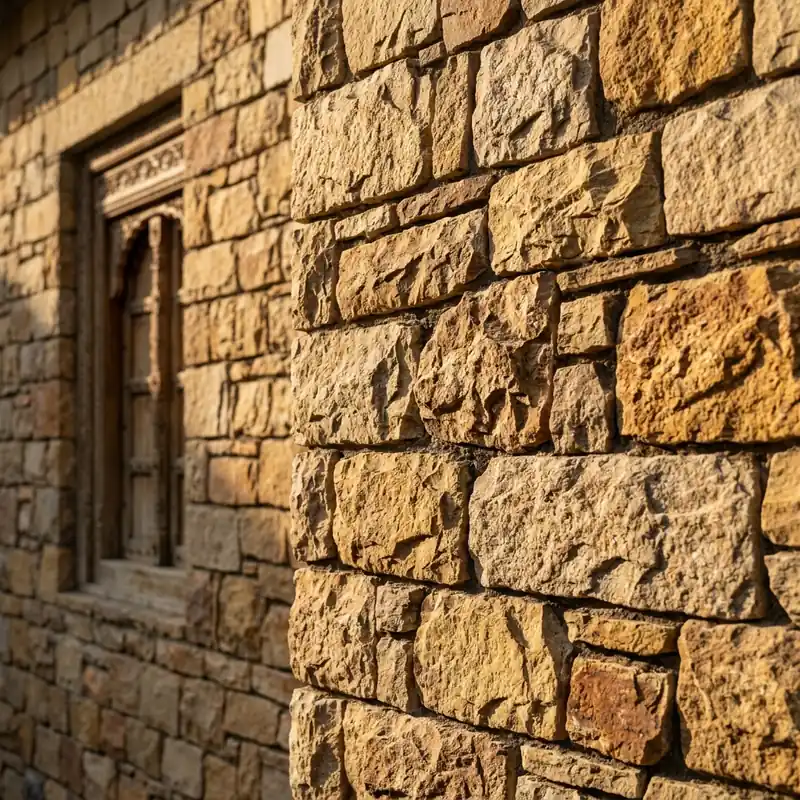 This is the most natural-looking option available. When masons break the stone along its natural cleft, it creates a rough, highly uneven surface. It is the rawest form of stone you can put on a wall.
I really like split-face cladding for boundary walls and large front facades. Because the surface is so irregular, it catches the sunlight beautifully, creating deep shadows that give the wall a tremendous amount of depth. It works exceptionally well when using sandstone cladding or slate. If you want your home to look like it organically belongs in the natural environment, this is the finish you should choose. It requires virtually zero aesthetic maintenance because the rough stone texture naturally hides dust and minor imperfections.
2. Honed and Matte Texture
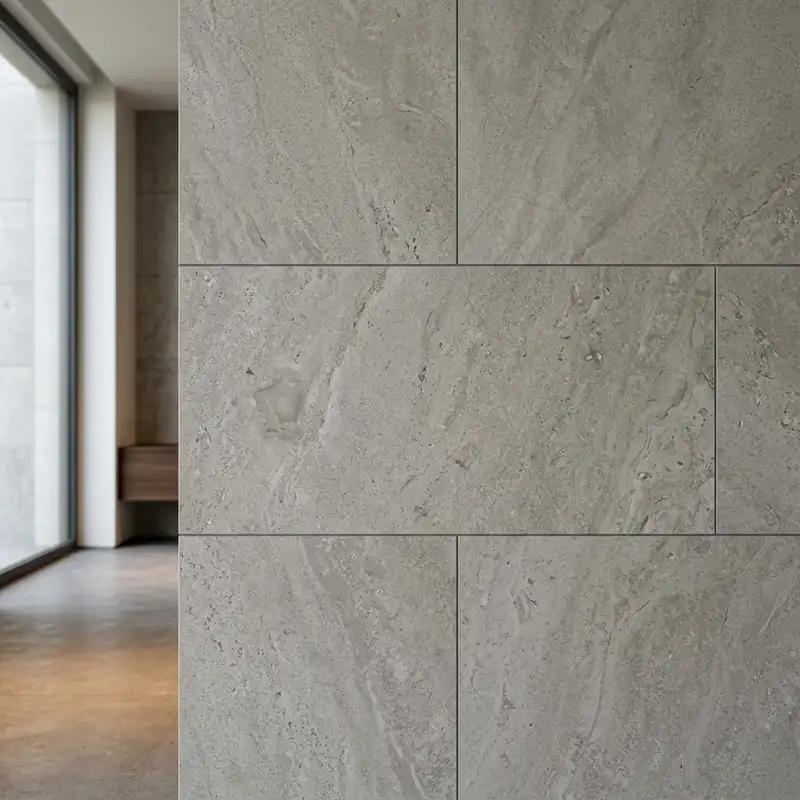 If you prefer a cleaner, more controlled aesthetic, honed stone is a great alternative. The stone goes through a grinding process that removes all the rough ridges, leaving a completely flat surface. However, unlike a polished finish, the grinding stops short of making the stone glossy.
This matte finish is highly sought after by architects designing modern, minimalist homes. It does not reflect harsh sunlight, which makes it very easy on the eyes during peak summer afternoons. We often see honed limestone or granite used in high-end commercial buildings and luxury residences where understatement and subtle elegance are the primary goals. It is smooth to the touch but retains the natural, earthy feel of the stone.
3. Flamed Texture
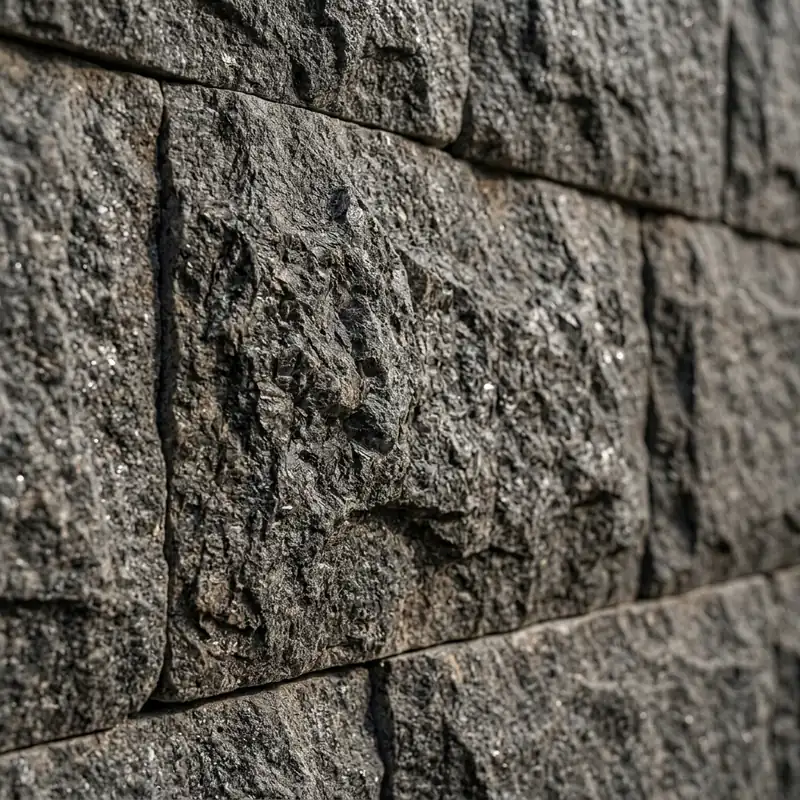 The flamed texture is created by exposing the stone to an intense, high-temperature flame. The rapid heating causes the crystals on the stone's surface to pop and shatter, resulting in a rough, deeply textured finish.
This thermal process is usually applied to granite. It makes the stone incredibly slip-resistant, which is why you frequently see it used for outdoor paving and pool surrounds. But as an exterior stone cladding texture, it offers a fantastic, rugged look that is slightly more uniform than a split-face finish. It handles heavy rain, city pollution and extreme temperature fluctuations exceptionally well.
4. Tumbled Texture
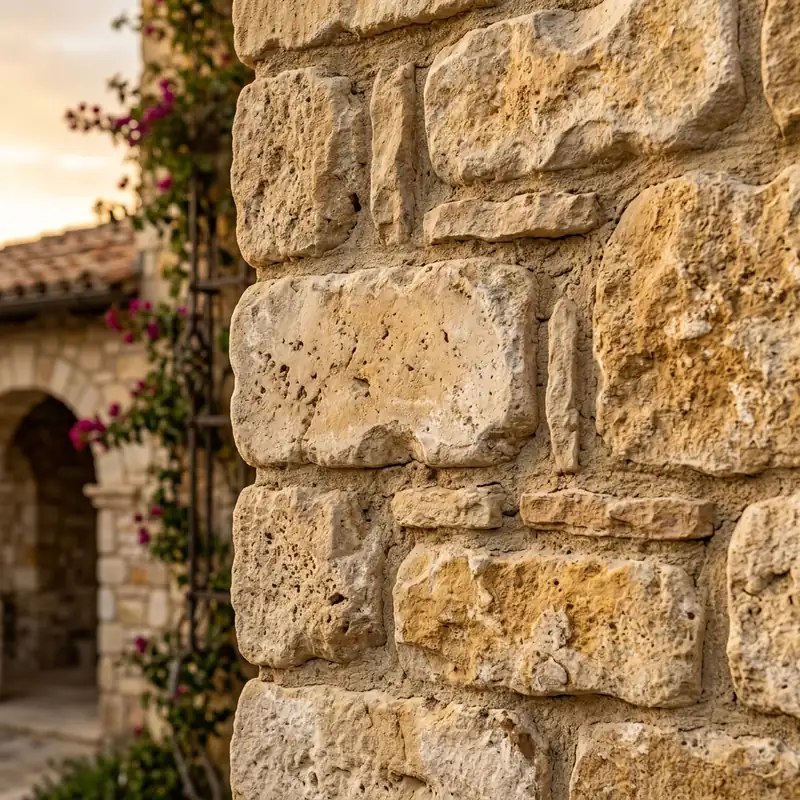 Tumbled stone goes through a mechanical process that mixes the stone pieces with water, sand and mild acids inside a rotating drum. Over time, the sharp edges become rounded and the surface takes on a worn out, chalky appearance.
If you are designing a Mediterranean-style villa or want a vintage, centuries-old look, the tumbled texture is perfect. It feels soft to the touch and brings a lot of warmth to an exterior. It pairs beautifully with wooden architectural accents, wrought iron fixtures and warm outdoor lighting. Tumbled travertine or limestone gives off an undeniable old-world charm that feels very welcoming.
5. Polished Texture
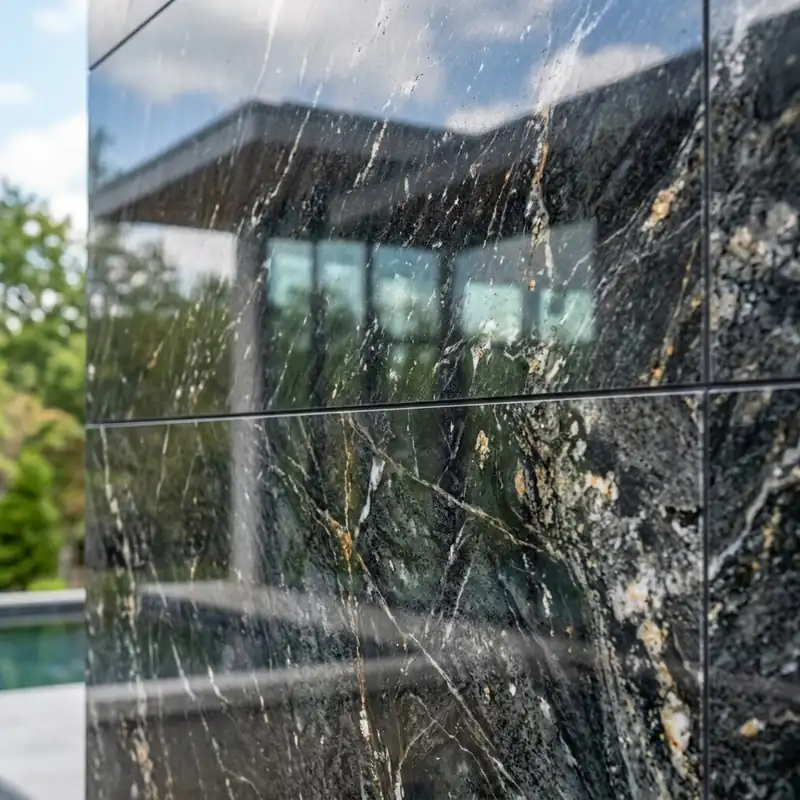 A polished finish gives the stone a mirror-like, glossy surface. This high level of refinement brings out the full depth of the stone's colour and highlights every natural vein and mineral deposit.
While we see a lot of polished marble indoors on floors and walls, using a highly polished exterior stone cladding texture requires some careful thought. It looks incredibly luxurious and striking, but it can show dust, water spots and scratches quite easily when exposed to the elements. If you decide to use it outside, it is best reserved for smaller accent areas - like framing the main entrance or highlighting a specific architectural feature - rather than covering the entire building facade.
Why Architects Prioritize Texture on Facades
Architects prioritize exterior stone cladding texture because it manipulates natural light, provides important thermal insulation for the building, dampens street noise and conceals dust and minor weathering far better than flat, painted surfaces.
Professionals don’t just pick a texture because it looks nice in a catalogue. They look at how the material behaves on the wall under real-world conditions.
When you apply a rough exterior stone cladding texture to a stone facade, you are actually giving the building a layer of thermal armour. The dense, irregular surface breaks up the direct heat from the sun. The stone absorbs the heat slowly during the peak afternoon hours and releases it gradually at night. This thermal mass effect keeps the interior of your home significantly cooler, reducing your reliance on air conditioning and ultimately lowering your electricity bills.
Another massive advantage is maintenance. In Indian cities, dust and pollution are a constant battle. A flat, painted wall shows every speck of dirt and every streak of dirty rainwater. A wall with a rough stone texture, on the other hand, hides dust perfectly. The natural variations in the stone and the deep shadows created by the texture mean you can go months without needing to wash the facade and it will still look immaculate. When you do need to maintain it, knowing how to clean natural stone wall panels makes the job effortless.
There is also a significant acoustic benefit. Smooth surfaces bounce sound waves directly into your home. A textured wall scatters those sound waves in multiple directions. If you live on a busy street or near a commercial zone, cladding your front wall with a split-face stone can actually help reduce the traffic noise that penetrates your living areas, creating a quieter interior environment.
Comparing Textured Stone Cladding to Alternatives
It is incredibly helpful to see how real exterior stone cladding texture stacks up against the cheaper synthetic options flooding the market today. Many homeowners are tempted by low initial prices, but regret their choices a few years down the line.
| Feature | Textured Natural Stone | Printed Ceramic Tiles | Textured Exterior Paint |
|---|---|---|---|
| Visual Authenticity | 100% Unique. Deep 3D texture. | Fake, repetitive printed patterns. | Flat with minor sand/grit bumps. |
| Lifespan | 50+ years | 10-15 years (often crack or fade) | 3-5 years |
| Maintenance required | Occasional pressure wash | Regular cleaning of grout lines | Frequent touch-ups and full repaints |
| Weather Resistance | Extremely high | Moderate (grout fails in rain) | Low (peels with moisture) |
| Thermal Insulation | High (reduces cooling costs) | Negligible | None |
Yes, the initial outlay for real stone is higher. But when you look at the total cost over ten years, the stone is actually cheaper. You aren’t paying a team of painters every three years. You aren’t replacing cracked tiles that fell off the wall. You are paying for a permanent solution that increases the resale value of your property.
Creative Ways to Use Exterior Stone Cladding Texture
Creative applications for exterior stone cladding texture include framing main entranceways with polished granite, cladding boundary walls with split-face sandstone for security and privacy and creating textured feature panels on modern apartment balconies.
You do not need to cover your entire house in stone to make a massive impact. Strategic placement works wonders and keeps the budget manageable.
The Grand Entrance
I highly recommend using a heavily textured stone, like a flamed granite or tumbled limestone, right around your main doorway. It creates a bold visual impact exactly where your guests arrive. You can contrast this highly textured area with smooth plastered walls on the rest of the house. This immediately draws the eye to the entrance, grounds the building and sets a premium tone before anyone even steps inside.
Boundary Walls and Gates
Your boundary wall takes a serious beating from street pollution, stray animals and monsoon splashes. Cladding it with a rough exterior stone cladding texture makes perfect sense. The rough texture prevents graffiti, hides dust from passing vehicles and requires zero maintenance. You can explore our natural stone cladding options to see how sandstone looks on large exterior boundaries. It looks formidable and elegant simultaneously.
Highlight Pillars and Columns
If your home features architectural columns or large structural pillars, wrapping them in a split-face slate or sandstone grounds the structure completely. It gives the building a sense of immense weight and permanence. You see this technique used heavily in luxury resort architecture, where structural pillars are cladded in raw stone to tie the building seamlessly to the natural surroundings.
How to Choose the Right Texture for Your Home
Making the final decision comes down to a few practical considerations rather than just aesthetic preferences.
Evaluate the Architectural Style
Match the texture to the house. Modern, boxy architecture looks best with clean, honed or split-point textures. Traditional Indian homes, heritage renovations or farmhouse designs demand rough, natural split-face textures.
Consider the Local Climate
If you live in an area with heavy rainfall, highly porous stones with deep crevices might hold moisture if not sealed meticulously. Flamed granite or dense slate are much safer bets for extremely wet regions like the coastal belts or the Northeast.
Factor in Lighting Arrangements
Texture needs light to show its character. If a wall is entirely shaded, a rough texture might look flat and muddy. Always plan for outdoor lighting, like up-lighters or grazing spotlights, that washes across the stone to highlight its depth and variation.
Cost Implications of Different Textures
It is important to understand that the texture you choose impacts the final price of the stone. A raw, split-face sandstone is generally more affordable because it requires less mechanical processing at the factory. The stone is simply quarried, cut to size and cleft by hand.
On the other hand, honed, flamed or heavily tumbled stones require specialized machinery, more time and more labour to achieve the desired finish. A highly polished granite will almost always cost more per square foot than a rough-cut equivalent.
When budgeting for your project, do not just look at the material cost. Factor in the installation costs as well. Heavier, thicker stones require more adhesive, stronger mechanical anchors and highly skilled masons to install correctly. The investment is absolutely worth it, but it needs to be planned for properly from the start.
Avoiding Common Installation Mistakes
Even the most beautiful exterior stone cladding texture can look terrible - and fail completely - if it is installed incorrectly.
-
Skipping the waterproofing and sealer.
You cannot just cement stone to a bare brick wall. The wall needs a comprehensive waterproofing layer first. After the stone is installed, it absolutely must be coated with a penetrating sealer. This stops rainwater from soaking into the stone and prevents white efflorescence marks from ruining your beautiful facade.
-
Using standard cement for heavy stone.
Natural stone is heavy. Standard cement mixtures will eventually fail under the weight and weather, causing panels to drop off the wall. Good installers always use polymer-modified adhesives designed specifically for heavy stone cladding.
-
Mixing too many textures.
I see people try to combine a split-face sandstone with a polished granite and a tumbled marble all on the same facade. It looks messy and confused. Pick one dominant texture and let it do the heavy lifting.
Environmental Impact and Sustainability
In an era where sustainable building practices are becoming increasingly critical, natural stone stands out as an eco-friendly choice. Unlike synthetic cladding materials or chemical-heavy paints, natural stone is extracted directly from the earth. It requires no chemical synthesis to manufacture.
Also, stone is 100% recyclable. If a building is ever demolished, the stone cladding can be removed, crushed and repurposed for paving or aggregate. When you choose Indian stone for cladding, particularly stone quarried locally in regions like Rajasthan or South India, you significantly reduce the carbon footprint associated with long-distance transportation.
Because of its incredible lifespan, you aren’t adding to landfills by replacing your facade every decade. You install it once and it lasts for generations.
Final Thoughts on Stone Textures
Choosing the right exterior stone cladding texture from the best natural stones for wall cladding is a huge investment in your property’s longevity, energy efficiency and curb appeal.
It completely solves the endless cycle of exterior maintenance while giving your home a distinct, premium identity. Whether you want the sleek, understated elegance of honed limestone or the rugged permanence of split-face sandstone, the texture you choose will define how people experience your home from the street.
Take your time. Look at how different textures catch the light at various times of the day. Ask for physical samples. And when you are ready, make sure you hire an experienced installation team who understands how to treat the material properly.